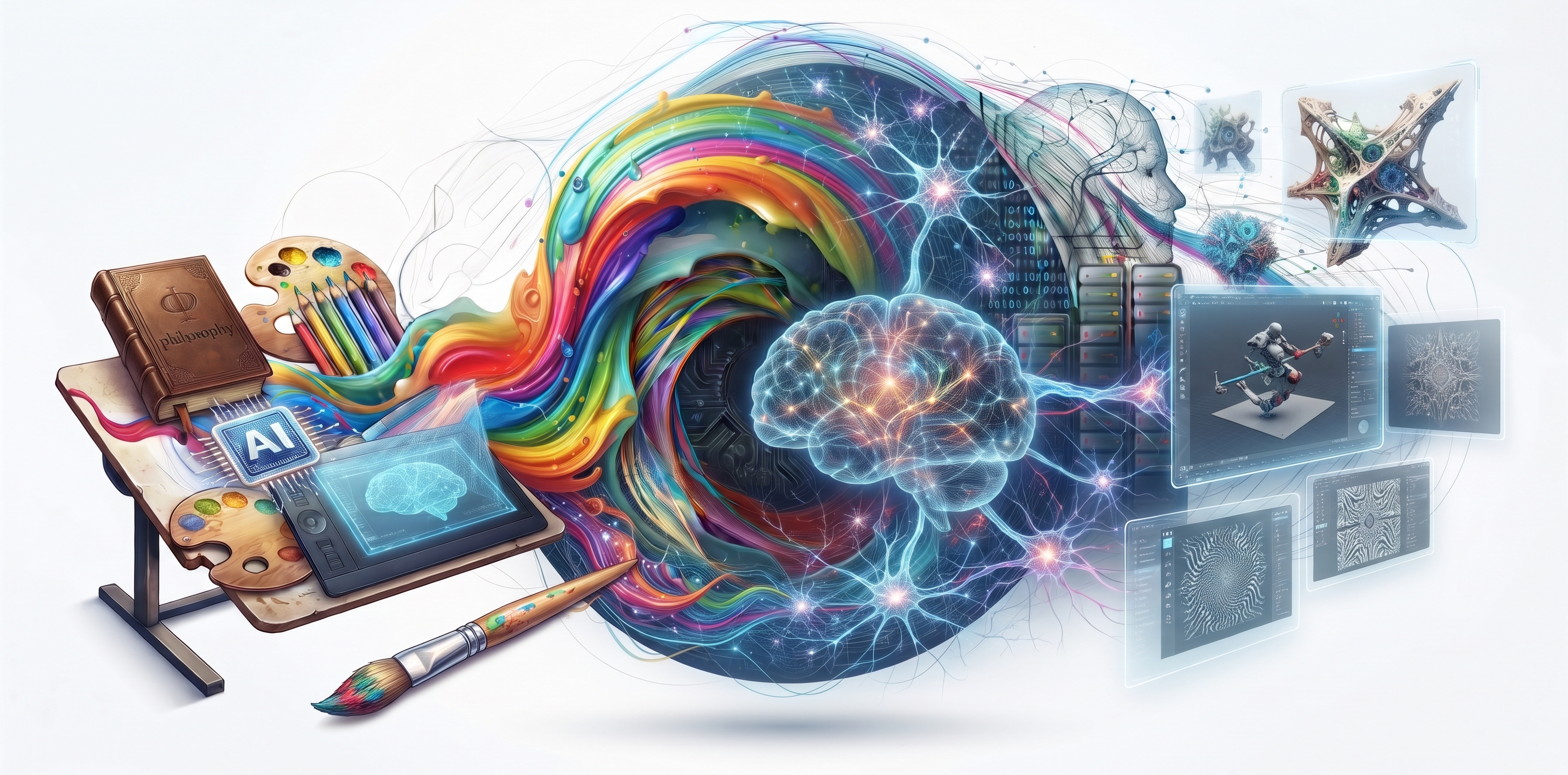
Artificial Intelligence is no longer just a plug-in feature in design software; it has emerged as a transformative co-creator that reshapes creative thinking, automates repetitive friction, and accelerates concept-to-launch velocity.
1. Generative Visual Systems & Rapid Prototyping
Modern generative diffusion models empower creative teams to iterate through hundreds of moodboards, textures, lighting schemes, and 3D mockups in fractions of the traditional time, enabling bolder experimentation and unprecedented depth.
2. Hyper-Personalized & Adaptive User Interfaces
AI elevates digital product design from static layouts to living, reactive ecosystems:
- Predictive Layout Adaptability: Dynamic interfaces that rearrange component hierarchies and recommendations in real time based on user behavioral signals.
- Automated Accessibility Auditing: Instant verification of WCAG contrast ratios, responsive scaling, and neural-powered screen-reader alt text generation.
- Continuous Multi-Armed Bandit Testing: Real-time optimization of micro-interactions, copy, and button placements for superior conversion rates.
3. The Human Factor: Amplification, Not Replacement
Can AI replace the human designer? Absolutely not. AI operates on mathematical patterns; it lacks nuanced empathy, cultural context, emotional resonance, and disruptive original vision. The designers of tomorrow are those who harness AI as an intellectual multiplier.
The Ewebbers Studio Advantage
At Ewebbers Studio, we bridge cutting-edge artificial intelligence with authentic creative craftsmanship to engineer intuitive, awe-inspiring, and high-performing digital experiences for visionary brands.


